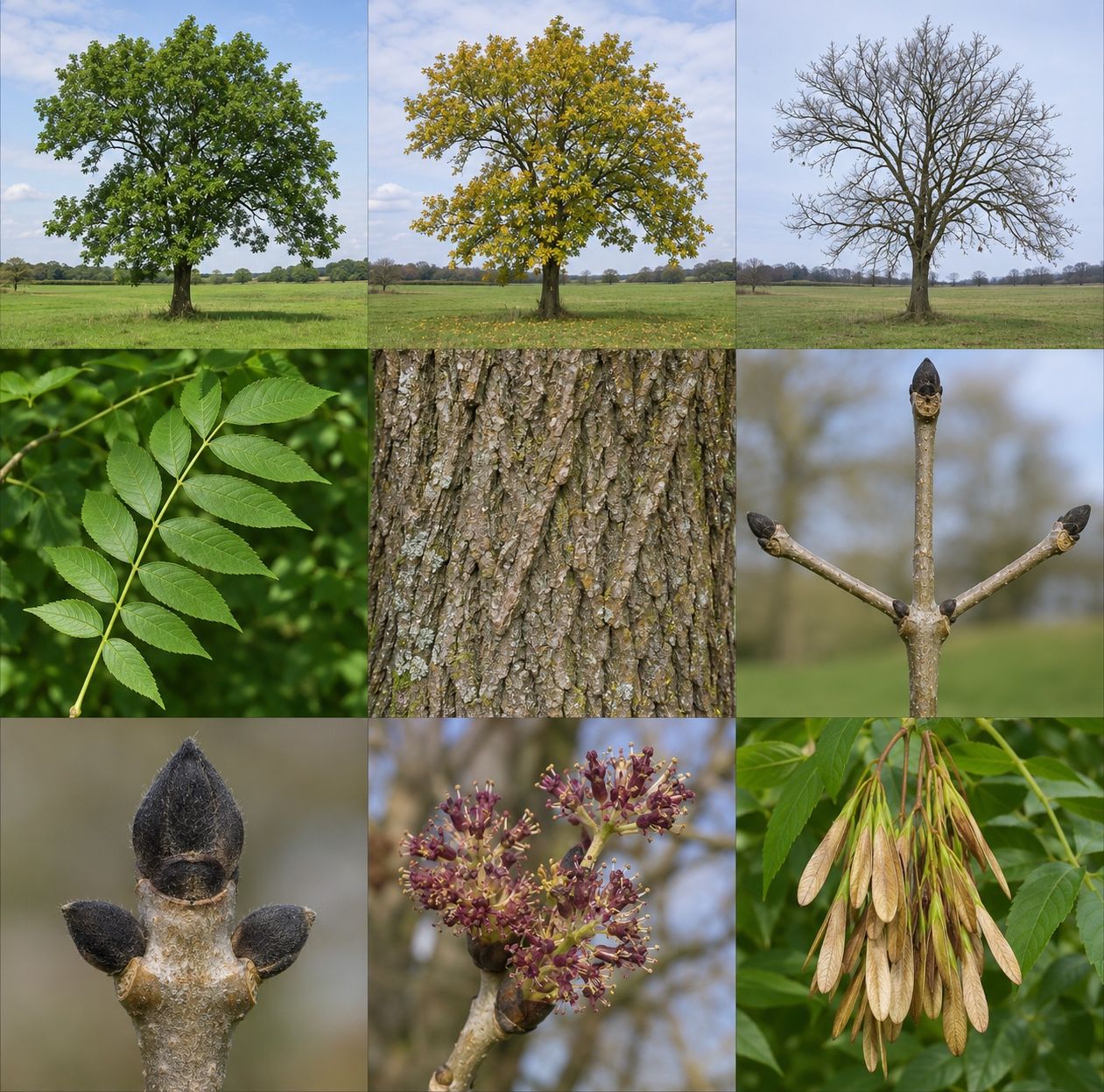
 Host: Ash
Arrange an assessmentAsh dieback
Fungal disease
Hosts: Ash (Fraxinus species)
Concerned about an ash tree? See the dedicated guide for symptoms, seasonal lookalikes and decisions about retaining or managing affected trees.
Read the ash dieback guide →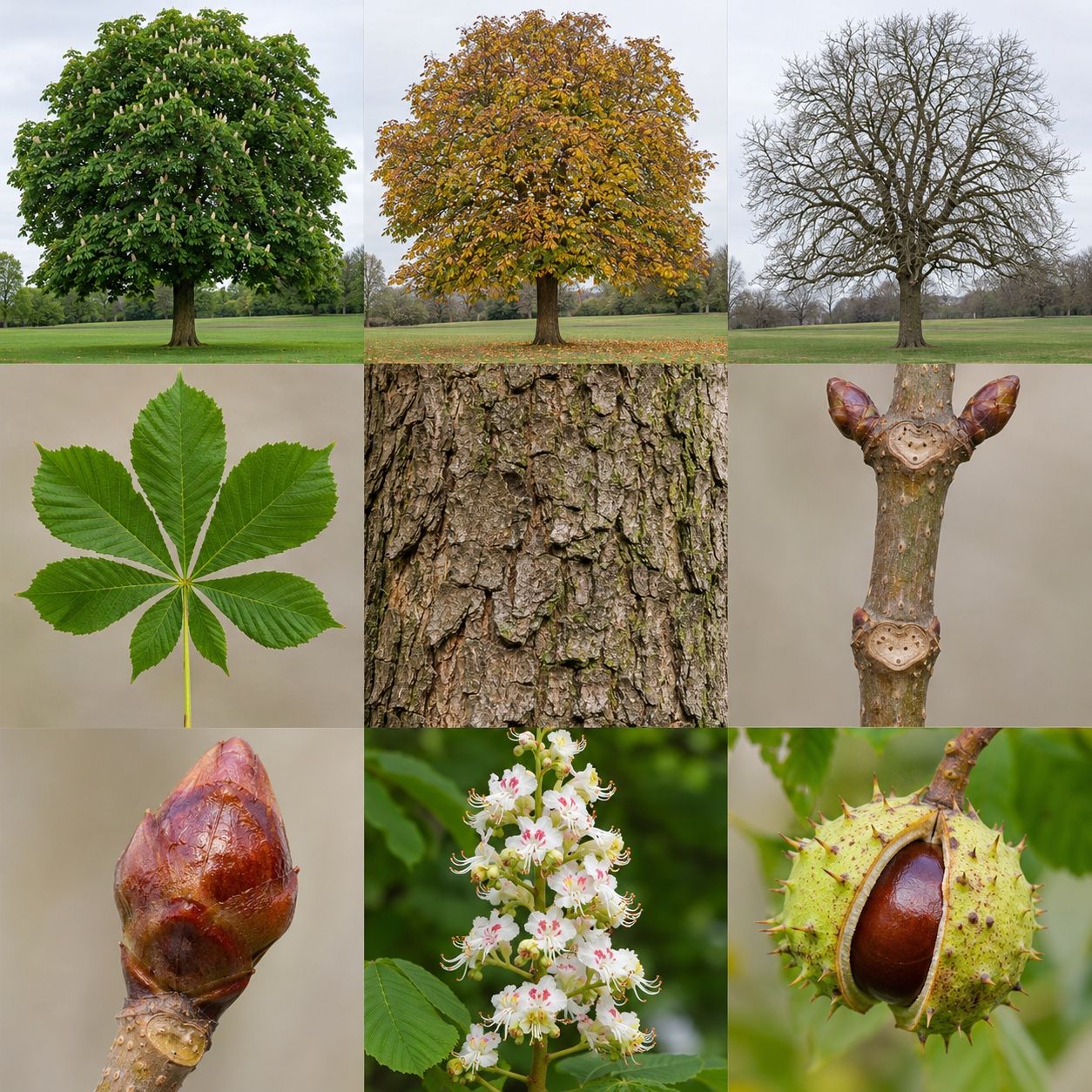 Host: Horse chestnut
Usually cosmeticHorse chestnut leaf miner
Leaf-feeding insect
Hosts: Horse chestnut, particularly Aesculus hippocastanum
June to September
Signs to compare
Pale blotches between leaf veins turn brown through summer. Leaves may fall early. A mine held against the light may reveal a caterpillar or cocoon inside the leaf.
What to do
Established trees usually tolerate this damage and treatment is generally unnecessary. For an isolated tree, collecting fallen leaves may reduce next year's moths; RHS advises keeping collected leaves in sealed composting bags until the following July.
Lookalikes: Leaf browning alone does not establish the cause. Bleeding wounds on the trunk or dying major branches need a separate assessment.
Host: Horse chestnut Arrange an assessmentHorse chestnut bleeding canker
Bark disease, commonly bacterial
Hosts: Horse chestnut (Aesculus hippocastanum)
Check bark and branch condition throughout the year
Signs to compare
Dark fluid seeps from damaged patches or cracks on the trunk and branches. Some affected trees retain a healthy-looking crown; others develop branch dieback.
What to do
Have the cause and branch condition assessed. Keep clear of dead or failing branches pending advice. Some trees recover, so bleeding alone does not justify removal. There is no approved UK chemical cure for the usual bacterial cause.
Lookalikes: Leaf miner damages leaves; it does not explain trunk cankers. Root diseases can also cause bleeding, so the cause needs confirmation.
Reporting: Routine suspected cases do not need reporting to Forest Research.
Arrange an assessmentHoney fungus
Fungal root disease
Hosts: Many garden trees; susceptibility varies with species and growing conditions
Decline may appear in any season; mushrooms sometimes appear in autumn
Signs to compare
A thinning crown, small pale leaves, early autumn colour or branch death may accompany root decay. An examiner may find a creamy fungal layer beneath bark near the base; mushrooms are not always present.
What to do
Seek confirmation before removing plants or roots. If confirmed, plan removal of infected woody material without injuring neighbouring roots. Avoid home-composting infected material and support the health of nearby trees.
Lookalikes: Mushrooms or black bootlace-like cords alone do not establish damaging honey fungus. Drought and other root problems can produce similar crown symptoms.
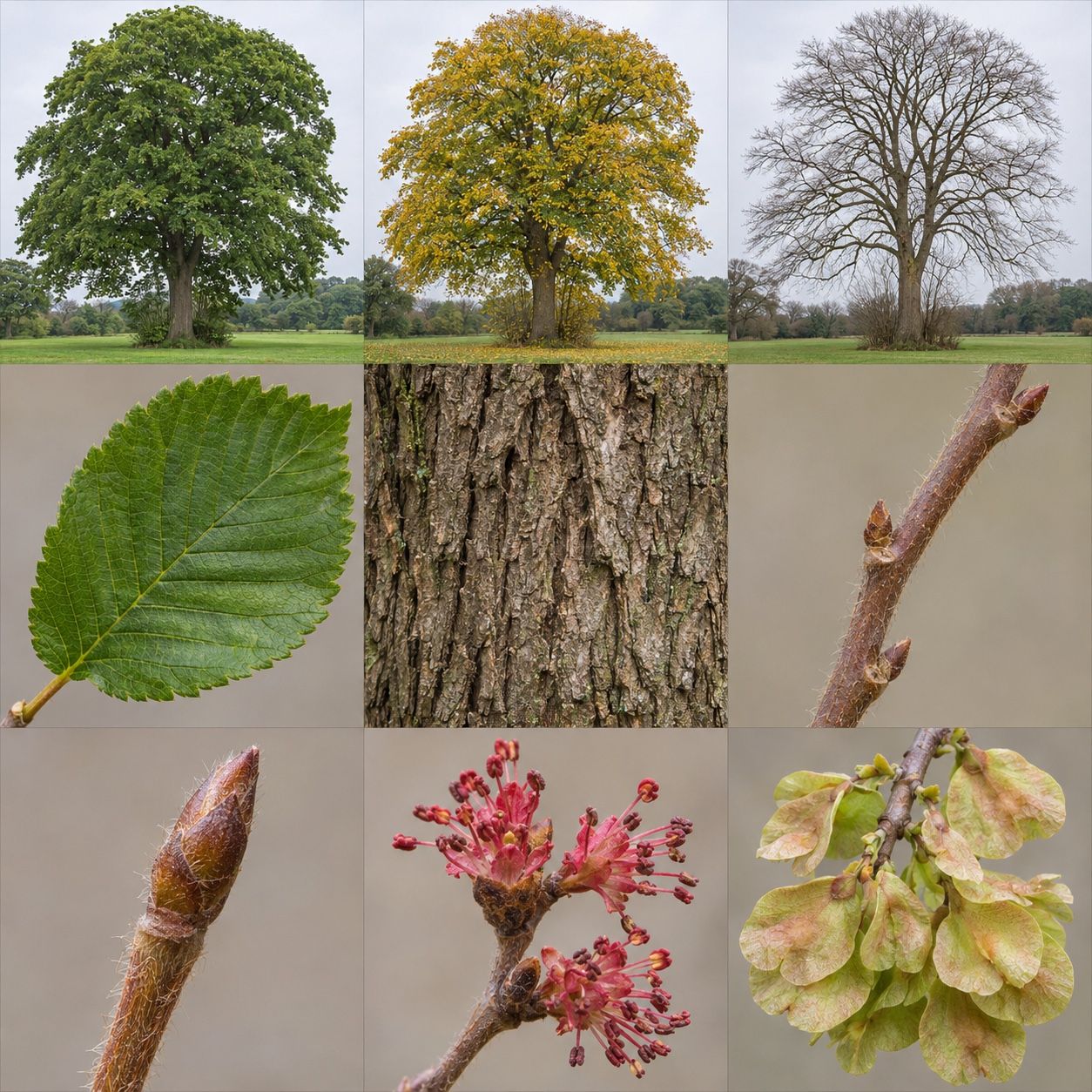 Host: English elm
Seek prompt adviceDutch elm disease
Fungal disease spread by elm bark beetles
Hosts: Elms (Ulmus species), including English and wych elm
Symptoms commonly appear from early summer
Signs to compare
One part of the crown may yellow, wilt and brown while other branches remain green. Shoots die back, sometimes with hooked tips. A professional may find dark streaking beneath twig bark.
What to do
Arrange diagnosis promptly. Early removal of infected branches or trees can help limit spread, but there is no effective cure. Agree the appropriate work and handling of affected wood with an arborist; local elm-protection arrangements may apply.
Lookalikes: Wilting by itself is not diagnostic; twig examination and the pattern of decline help distinguish the cause.
Reporting: Forest Research does not require routine Dutch elm disease reports.
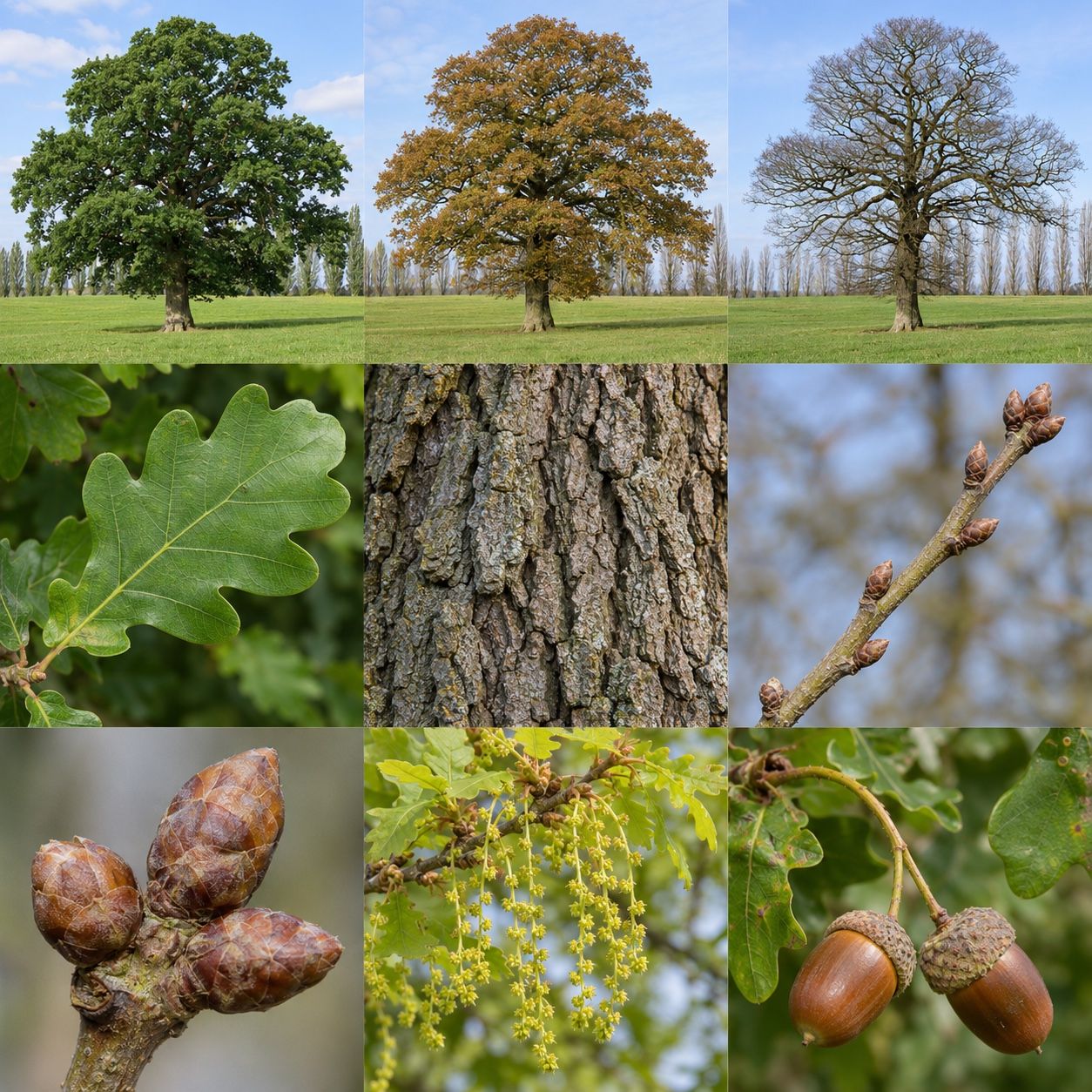 Host: English oak
Seek advice and reportAcute oak decline
Complex decline involving bacteria and other factors
Hosts: Mainly mature English and sessile oak; other oaks can be affected
Stem bleeding can dry into dark marks; crown thinning develops in some trees
Signs to compare
Dark fluid runs from vertical cracks between bark plates. Small D-shaped beetle exit holes may also occur, but are not present in every case.
What to do
Record the symptoms and location, then arrange an assessment. Avoid contact with bleeding areas or unnecessary pruning. Get advice before moving affected wood, bark or leaves, and do not use them for compost or mulch.
Lookalikes: A bleeding oak is not automatically acute oak decline: Phytophthora and other problems can look similar.
Reporting: Forest Research welcomes suspected cases through TreeAlert in Great Britain, particularly in new areas. Use TreeCheck in Northern Ireland.
Host: English oak Keep away and report immediatelyOak processionary moth
Leaf-feeding insect and human/animal health hazard
Hosts: Oak trees (Quercus species)
Caterpillars mainly in spring and summer; old nests remain hazardous
Signs to compare
Hairy grey caterpillars with black heads may travel in lines. Silken nests cling to oak trunks or branches, turning from white to brown with age.
What to do
Keep people and pets away. Do not touch caterpillars or nests, including fallen or old nests, or try to remove them. Irritating hairs can affect skin, eyes and breathing. Specialist management is needed; seek medical or veterinary advice after harmful exposure.
Lookalikes: Other caterpillars and webbing can resemble OPM. Observe from a distance; do not collect a specimen to identify it.
Reporting: In England, suspected nests or caterpillars must be reported immediately through TreeAlert. Follow Forestry Commission instructions before any treatment or movement of affected material.
England; the source also links guidance for Scotland, Wales and Northern Ireland
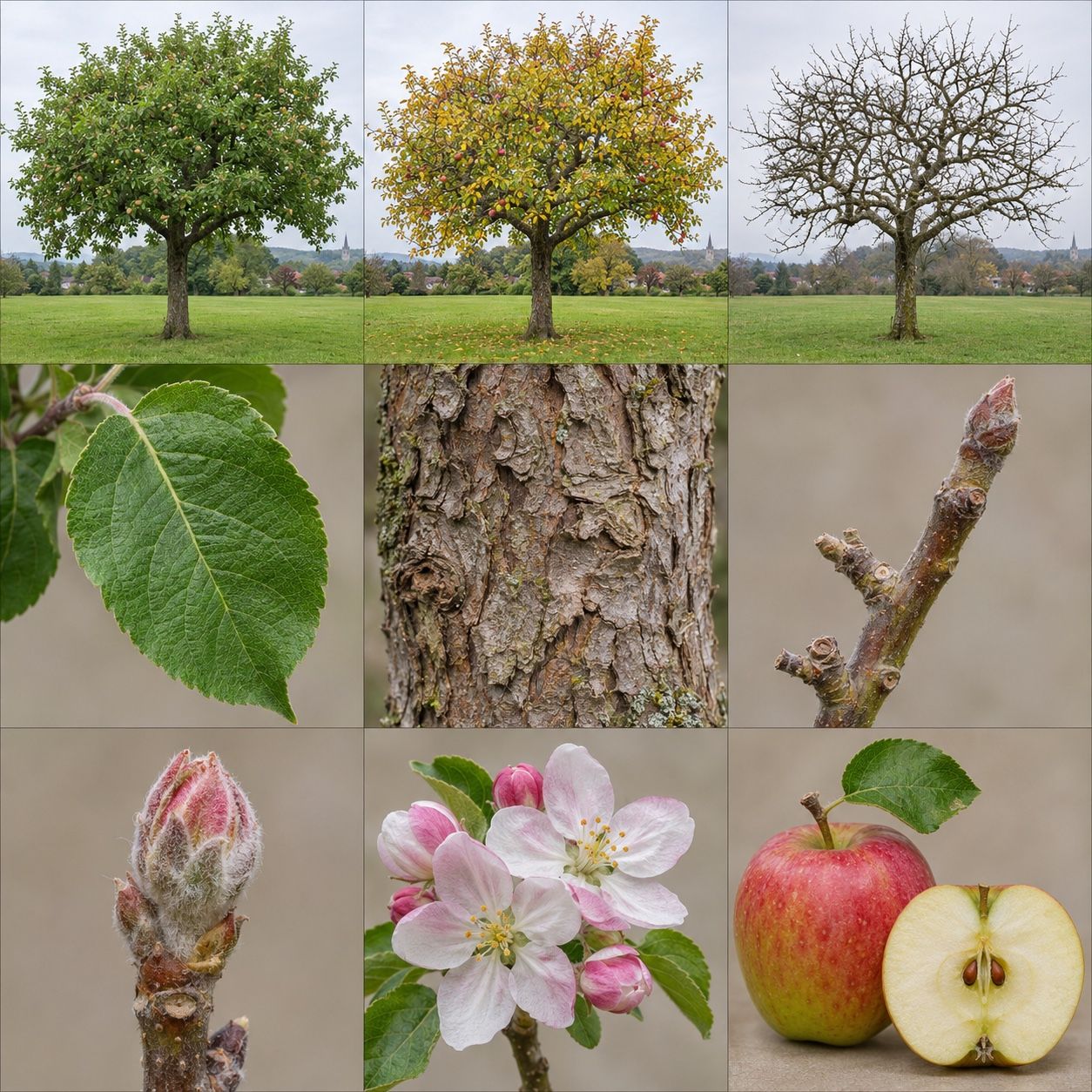 Host: Cultivated apple
Plan appropriate pruningApple canker
Fungal bark disease
Hosts: Mainly apple; pear and Sorbus species can also be affected
New cankers develop from mid-spring; established lesions remain visible year-round
Signs to compare
Sunken patches of dead bark often begin near a wound or bud. Older cankers may have raised rims or rings around exposed wood. Shoots beyond a canker may wilt or die.
What to do
Arrange removal of affected small branches back to healthy tissue. Trunk cankers or damage to major limbs need individual advice. Review drainage and growing conditions before deciding on treatment or replacement.
Lookalikes: Bark injury can resemble a canker. A damaged patch alone does not identify the pathogen or show how far infection extends.
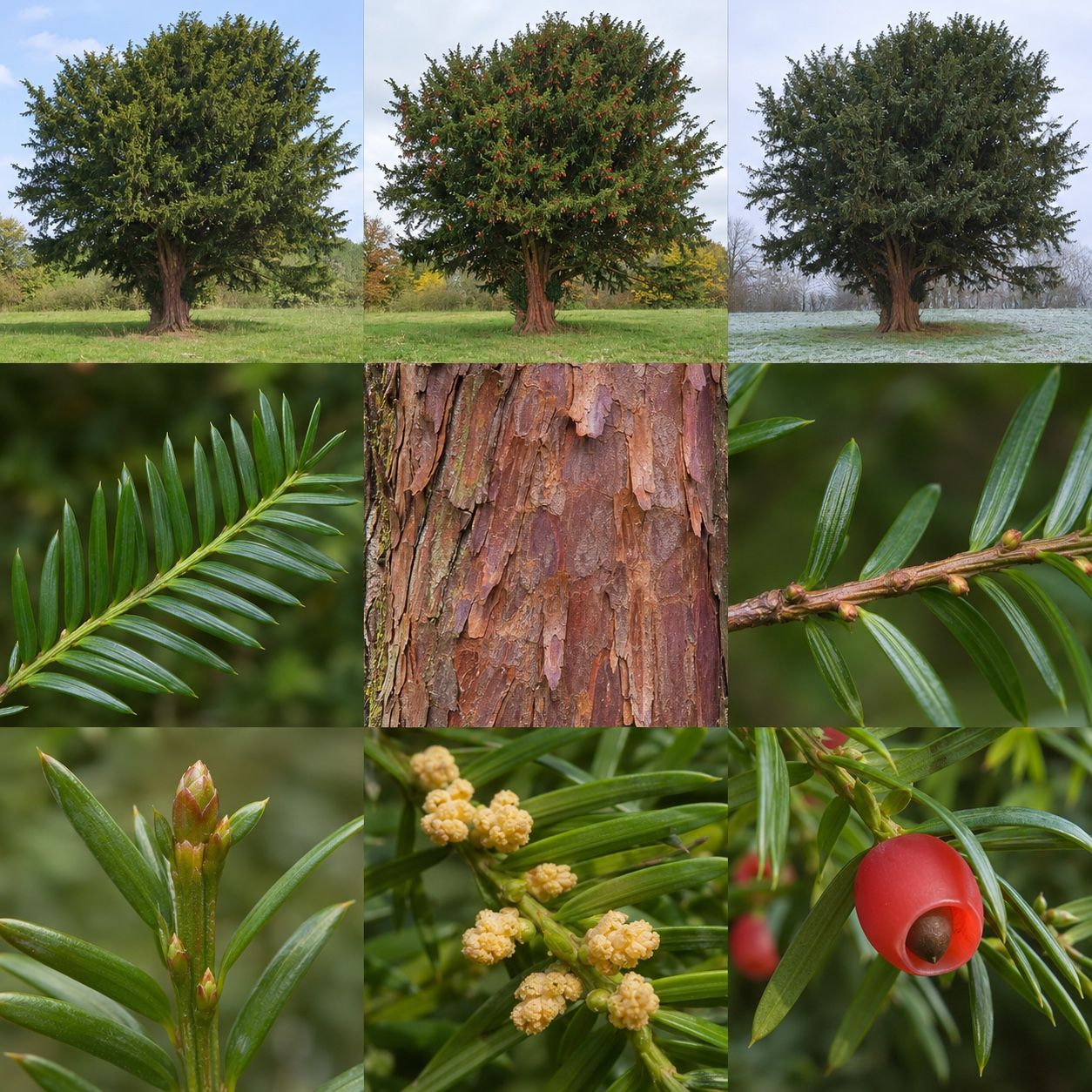 Host: Yew
Arrange an assessmentPhytophthora root rot
Root disease caused by fungus-like organisms
Hosts: Many trees, including yew, maples, apple, cherry, holly and Lawson cypress
Can occur throughout the year, particularly in poorly drained conditions
Signs to compare
Sparse or yellowing foliage, wilting and branch death can accompany decayed roots or damage around the stem base. Above-ground symptoms may appear only after substantial root damage.
What to do
Seek diagnosis and review drainage or overwatering. Get advice before moving affected plants or soil, which can spread infection. There is no garden chemical treatment for root rot; replanting needs a site-specific plan.
Lookalikes: Waterlogging alone can cause very similar symptoms. These signs cannot identify the Phytophthora species; this card does not diagnose regulated foliar Phytophthora diseases.
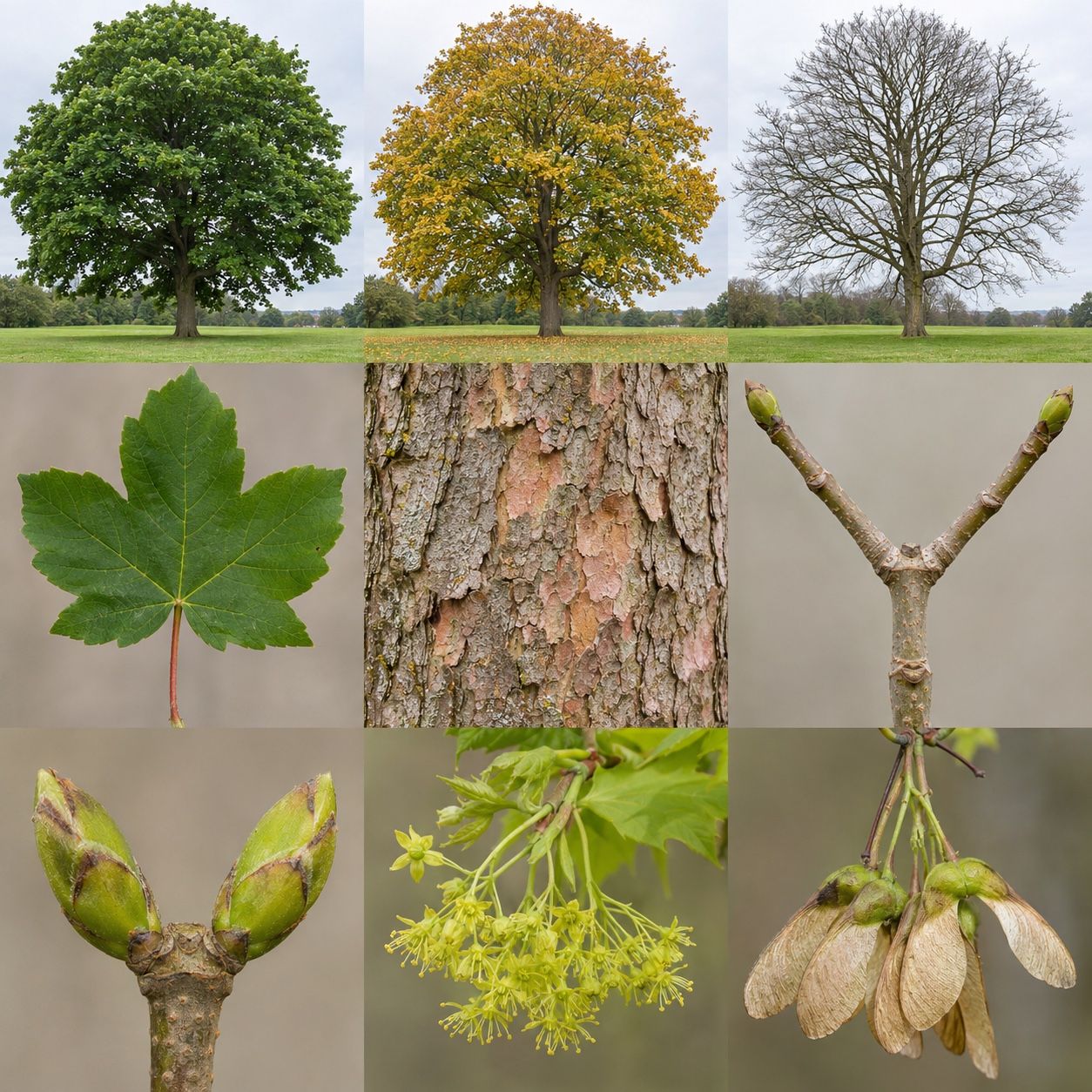 Host: Sycamore
Usually cosmeticSycamore and maple tar spot
Fungal leaf spot
Hosts: Sycamore and some other maples (Acer species)
Yellow marks appear in late spring; black spots develop in summer
Signs to compare
Shiny black patches, slightly raised and often edged in yellow, develop on the leaves. Heavily affected leaves may drop a little early.
What to do
Usually no treatment is needed: tar spot does not cause lasting loss of tree vigour. Collecting fallen leaves may reduce infection next season if appearance is a concern. Pruning is not a remedy for these leaf spots.
Lookalikes: Other problems can cause leaf spotting. Seek separate advice for major branch dieback, bark damage or other signs beyond the typical leaf marks.
This guide includes familiar garden problems and important warning signs. It does not imply every condition is common throughout the UK. Host-tree images illustrate the species; use the linked expert sources for photographs of disease symptoms.